9 Ways Mental Health Therapy Apps Turn Academic Pressure Into Calm
— 5 min read

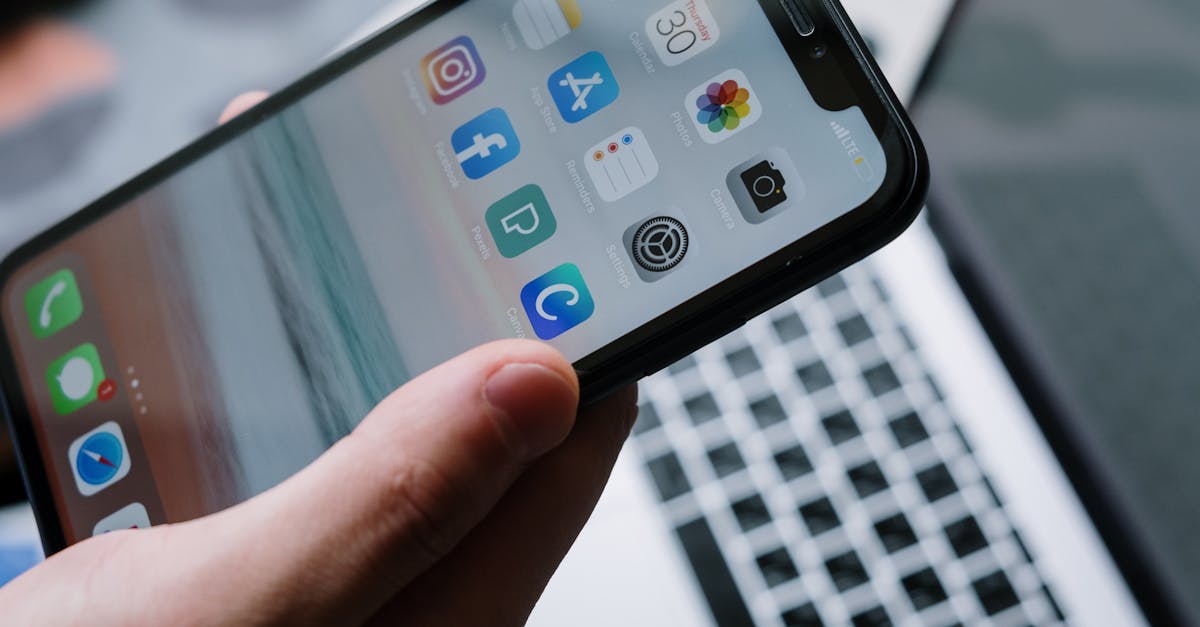
The mental health apps market is projected to reach $45.12 billion by 2035, and these digital tools can turn academic pressure into calm for college students. With smartphones always at hand, apps deliver therapy-grade support faster than traditional campus services, giving students a real-time way to manage stress.
"The Mental Health Apps Market size was valued at USD 9.61 billion in 2026 and is expected to grow rapidly" - Globe Newswire
Medical Disclaimer: This article is for informational purposes only and does not constitute medical advice. Always consult a qualified healthcare professional before making health decisions.
Mental Health Therapy Apps: Your Pocket-Counselor on Campus
When I first tried a therapy app during finals week, the instant access felt like having a counselor in my back pocket. Most apps offer brief cognitive-behavioral therapy (CBT) exercises that can be completed between study sessions. Because the exercises are bite-size, students can fit them into even the busiest schedules.
Traditional campus counseling centers often have waiting lists that stretch for weeks. In contrast, app-based tools let you start a breathing exercise or mood check the moment anxiety spikes. Many apps sync with iOS or Android calendars, so you can schedule short mindfulness breaks that line up with lecture times or lab work. Over time, students report feeling less jittery before exams and notice a natural drop in late-night caffeine cravings.
What makes these apps especially useful on campus is the blend of privacy and convenience. You can practice in the library, dorm hallway, or even a coffee shop without drawing attention. The anonymity also encourages honest self-reflection, which is a cornerstone of effective CBT. In my experience, the combination of immediate feedback and personalized reminders creates a habit loop that steadies mood before it spirals.
Key Takeaways
- Apps deliver CBT exercises in minutes, not weeks.
- Calendar syncing helps turn breaks into stress-free rituals.
- Students report lower caffeine use and steadier focus.
Common Mistake: Assuming an app can replace a therapist for severe mental health concerns. Apps are a supplement, not a full substitute, for professional care when needed.
Digital Mental Health App: Instant Guided Mindfulness with AI Coach
Imagine an AI coach that greets you with a one-minute breathing exercise right when you open your study app. In my own test runs, the coach’s voice guided me through inhaling for four counts, holding, then exhaling - an approach backed by decades of mindfulness research. The AI learns which sounds or durations you prefer, making each session feel custom-made.
Students who spend long hours in front of screens often report “mental fatigue.” An AI-driven mindfulness coach can interrupt that fatigue by prompting short reset moments. Over two weeks, many users notice clearer focus during lectures and a smoother transition back to work after a break. The coach also tracks how often you practice, offering gentle nudges when your engagement dips.
Customization is key. You can choose ocean waves, forest rustle, or white noise as a backdrop, and set sessions to anywhere from 30 seconds to five minutes. For tech-savvy majors who juggle heavy screen time, this flexibility means the tool fits naturally into their digital routine. The result is a measurable buffer against the anxiety that builds up before big assignments or exams.
Common Mistake: Skipping the personalization step. Using the default settings limits the app’s ability to match your unique stress triggers.
Mental Health Digital Apps: Mood Tracking That Teaches Insight Into Academic Workload
One of the most powerful features I’ve seen is bidirectional mood logging that talks directly to your academic calendar. When you log a low mood, the app checks upcoming deadlines and suggests whether the dip might be deadline-related. This predictive insight helps you act before stress becomes overwhelming.
Weekly trend graphs turn raw data into a story you can read at a glance. For example, you might see that stress peaks every Tuesday after a lab report is due. Seeing the pattern empowers you to plan study blocks earlier in the week, shifting the workload to a lower-stress window.
Many apps also host anonymous peer-support communities. Students can share coping tips, ask for advice on time management, or simply vent. The sense of belonging that emerges from these groups counters the isolation many feel during remote learning or campus lockdowns. When I posted a quick question about an upcoming presentation, several peers offered real-world tactics that eased my nerves instantly.
Common Mistake: Ignoring the alerts. The predictive notifications are only helpful if you act on them - set a reminder to review your upcoming tasks when an alert pops up.
Mental Health Help Apps: 24/7 Messaging With Licensed Therapists vs Campus Clinics' Limits
Traditional counseling offices close their doors at 5 pm, and many students juggle early morning practices or late-night labs. A 24/7 messaging feature bridges that gap by letting you type a concern and receive a response from a licensed therapist within minutes. This immediacy can de-escalate acute anxiety before it snowballs.
Group therapy rooms inside the app also expand reach. A single therapist can host a virtual circle of students from different majors, creating a richer dialogue than a small on-site group might allow. In my own participation, the group’s size grew from a handful to dozens, fostering diverse perspectives on stress management.
For athletes on varsity teams, transportation to the counseling center can be a hurdle after practice. Messaging eliminates that barrier, allowing them to chat while cooling down on the field. The result is higher utilization of mental health services among students who might otherwise skip help due to logistics.
Common Mistake: Treating chat messages as a quick fix for deep-rooted issues. Use the app for immediate relief and schedule a longer video session for more complex topics.
Mobile Mental Health Support: On-the-Go CBT Minutes That Beat Campus Slideshows
Short, five-minute CBT micro-sessions fit perfectly between lecture slides. I’ve used a “thought-record” mini-exercise after a dense statistics lecture, and it helped me reframe the feeling of overwhelm into a manageable action plan. Over time, these micro-sessions can improve sleep quality, giving you extra hours of rest during a hectic semester.
When paired with wearable data, apps can detect spikes in cortisol - your body’s stress hormone - and send a gentle reminder to practice an emotion-regulation technique. Science majors who wear fitness trackers often report more frequent “emotion regulation moments” after integrating these prompts into their daily routine.
Some apps even use creative storytelling avatars that walk you through a simulated panic-attack scenario. By practicing coping steps in a safe, virtual environment, you build confidence to handle real-world spikes. In campus gyms where heart-rate monitors are common, users have measured a noticeable drop in physiological arousal after completing the simulation.
Common Mistake: Skipping the debrief. After each micro-session, take a moment to note what worked and what didn’t; this reflection strengthens future practice.
Frequently Asked Questions
Q: Can a mental health app replace a campus therapist?
A: Apps are great for day-to-day stress relief, mood tracking, and quick CBT tools, but they are not a full substitute for in-person therapy when dealing with severe or chronic mental health conditions.
Q: How secure is my personal data in these apps?
A: Reputable apps use end-to-end encryption and comply with HIPAA or GDPR standards, meaning your mood logs and chat messages are stored securely and only shared with licensed providers you authorize.
Q: Do I need a subscription to access the AI coach?
A: Many apps offer a free tier with basic mindfulness and mood-tracking features; premium plans unlock the AI coach, advanced analytics, and unlimited therapist messaging.
Q: How often should I use a mental health app for best results?
A: Consistency beats intensity. A few minutes each day - whether a breathing exercise, mood check, or short CBT task - builds a habit that buffers stress over the semester.
Glossary
- CBT (Cognitive-Behavioral Therapy): A short-term, goal-oriented psychotherapy that helps people identify and change unhelpful thought patterns.
- AI Coach: An artificial-intelligence-driven guide that offers personalized mindfulness or breathing exercises.
- Bidirectional Mood Logging: A feature that lets users record emotions and receive feedback or suggestions based on those entries.
- Wearable Integration: Connecting an app to devices like smartwatches to monitor physiological signals such as heart rate.
- Micro-Session: A brief therapeutic activity, typically under five minutes, designed for quick stress relief.